
Does the Canadian Dental Plan Cover Crowns?
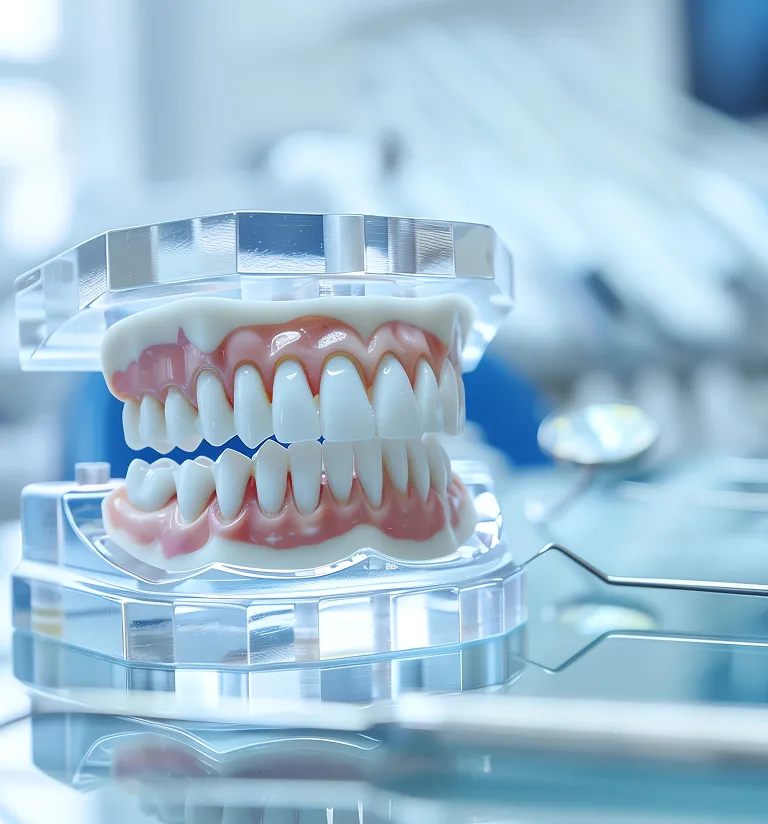
When a tooth is damaged, weakened, or has undergone root canal treatment, a dental crown is often the most reliable way to restore strength and function. Many Canadians, however, are unsure about the cost of a crown or whether the Canadian Dental Care Plan (CDCP) will help cover the treatment. With the gradual rollout of the national dental program, these questions have become even more common in dental clinics across the country, including here in Windsor, ON.
If you have been wondering whether the new federal program can help reduce the cost of a crown, you are not alone. Patients often ask what is included, who qualifies, and whether this type of restoration falls under the plan’s covered services. In this guide, we aim to explain everything in a clear and friendly way so that you know what to expect before beginning treatment.
Before we dive deeper, you can learn more about crowns and how they work here at Parkway Smiles Dentistry.
Understanding the Canadian Dental Care Plan
The Canadian Dental Care Plan is a federal initiative created to expand access to essential dental care for people who do not have private insurance and fall within certain income limits. The goal of the program is to make necessary dental treatment more affordable and accessible, especially for seniors, children, and lower-income families.
As the CDCP continues to roll out, the list of covered services has gradually expanded. While preventive care, such as exams, cleanings, and X-rays, is widely supported, many patients want to know whether more advanced treatments, such as dental crowns, are included.
Are Crowns Covered Under the Canadian Dental Plan?
The short answer is that in some cases, yes, crowns may be covered, but the coverage is not universal and will depend on whether the treatment is considered medically necessary. The CDCP is designed to prioritise dental procedures that are essential for oral health, rather than cosmetic improvements. Because a crown restores function, protects a damaged tooth, and can prevent further complications, it is often categorised as medically necessary.
However, not every crown procedure automatically qualifies. The plan evaluates each case based on clinical need. For example, a crown placed for cosmetic reasons would not likely be covered, while a crown placed to repair a fractured tooth, restore a large filling, or protect a tooth after root canal therapy may be considered eligible.
Different age groups may experience slightly different coverage levels as well. Seniors and children may have access to a broader list of approved procedures, while adults may see more restrictions depending on their eligibility category. Since the program continues to evolve, the best approach is to discuss your specific needs with your dental provider, who can help you understand how the plan applies to your situation.
What Does “Medically Necessary” Mean for Crown Coverage?
The term “medically necessary” can feel vague, but it simply means that the treatment is required to maintain or restore oral health.
For crowns, medical necessity may include:
- A tooth that has fractured or cracked
- A large filling that can no longer support the tooth
- A tooth weakened by decay
- A tooth that has undergone root canal treatment
- Severe wear that affects chewing and function
- Structural damage that cannot be repaired with a basic filling
If a crown is needed to protect the tooth from breaking or to restore proper function, there is a strong chance that some level of coverage may be approved. On the other hand, if the crown is requested only to improve aesthetics, it may not meet the requirements for coverage under the plan.
If you want to explore what types of crowns might be suitable for your situation, our team at Parkway Smiles Dentistry can guide you through the options.
How Much of the Cost Is Covered?
Even when crowns are approved under the Canadian Dental Care Plan, the coverage is rarely 100 percent. The CDCP uses a co-payment model, meaning that patients may still pay a portion of the treatment fee depending on household income.
Generally, the lower your income, the higher the government contribution will be. Households with the lowest qualifying income may see full coverage for approved services, while others may pay between 40 and 60 percent of the cost.
The exact amount will depend on several factors:
- Eligibility tier
- Income level
- Type of crown material recommended
- The tooth being restored
- Complexity of treatment
Your dental office can help you estimate the portion you may be responsible for.
Does the Type of Crown Affect Coverage?
Crowns come in various materials, including ceramic, porcelain fused to metal, zirconia, and metal alloys. The Canadian Dental Care Plan evaluates crown coverage based on clinical need rather than material preference. In some cases, a specific material may be recommended because of strength requirements or the location of the tooth.
Since the plan aims to cover medically essential care, it may approve the material that best restores function, not necessarily the most aesthetic option. If a patient chooses a material that exceeds the plan’s guidelines, there may be an additional cost.
Our team can help explain which type of crowns works best for your oral health needs and what portion might be covered.
What Steps Should You Take Before Getting a Crown?
If you believe you qualify for the Canadian Dental Care Plan, here is how to make the process easier and more predictable:
1. Confirm Your Eligibility
Before treatment begins, it is important to check whether you are enrolled in the CDCP. Make sure your information is updated and that your account reflects your current income and household details.
2. Get a Dental Examination
A full assessment allows your dentist to determine whether a crown is clinically necessary. Documentation, including X-rays and notes, may be required for coverage.
3. Request a Cost Estimate
Your dental office can submit a pre-determination to the program. This step helps you understand how much of the treatment will be covered and what portion you may need to pay.
4. Discuss Crown Options
Different crown materials have different strengths and uses. Your dentist will help you choose the option that protects your oral health while keeping costs manageable.
5. Proceed With Treatment Once Approved
After you receive confirmation, you can safely begin treatment knowing what to expect financially.
Final Thoughts
So, does the Canadian dental plan cover crowns? In many cases, yes, but the coverage relies heavily on medical necessity, eligibility criteria, and the type of crown needed. Although the Canadian Dental Care Plan helps reduce the financial burden for many families, it is not an all-inclusive program, and some personal costs may still apply.
If you think you may need a crown or want to explore your options, our team at Parkway Smiles Dentistry is here to help you understand the process, assess your eligibility, and walk you through the entire treatment in a supportive and clear way.
You can learn more about the different types of crowns and when they are recommended by speaking with our dental team.
Contact Us

Practice Hours
Mon: 10:00 a.m. – 6:00 p.m.
Tues: 12:00 p.m – 6:00 p.m
Wed: 10:00 a.m – 6:00 p.m
Thurs: 9:00 a.m – 4:00 p.m
Fri: 10:00 a.m – 6:00 p.m
Sat: 10:00 a.m. – 4:00 p.m.
Sun: Closed

Phone: +12265265544




© 2026 Parkway Smiles Dentistry | All Rights Reserved | Privacy Policy | Digital Marketing by Remedo