
Do You Grind Your Teeth at Night? Signs of Bruxism and How a Night Guard Helps
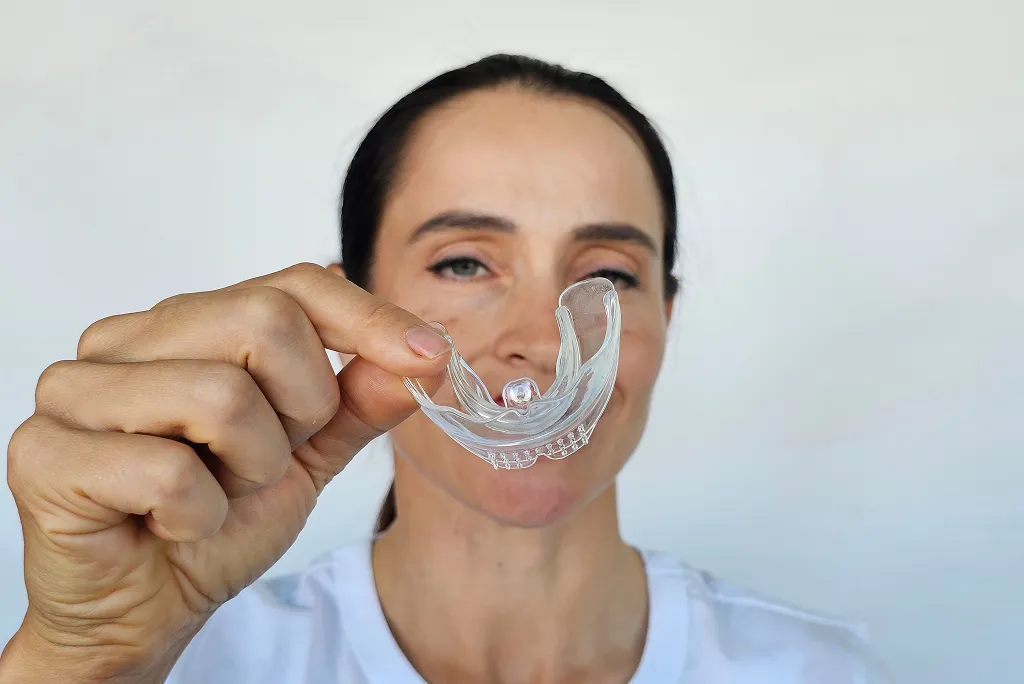
Teeth grinding during sleep is more common than you might think. You may not even realize you are doing it until you wake up with a sore jaw, a dull headache, or sensitive teeth. In some cases, your partner may notice grinding or clenching sounds while you sleep.
This habit, known as bruxism, involves repeatedly grinding or clenching your teeth. Although occasional teeth grinding may not cause significant problems, frequent or intense grinding can gradually wear down tooth enamel, damage dental restorations, and lead to jaw discomfort.
At Parkway Smiles Dentistry, we help patients in Windsor, ON, identify and manage dental concerns that can affect their oral health. Understanding the signs of bruxism and available treatment options, including custom night guards, can help you protect your teeth from further damage.
What Is Bruxism?
Bruxism is a condition in which you grind, clench, or press your teeth together, often without realizing it. It can happen while you are awake or asleep.
There are two main types of bruxism:
- Sleep bruxism: Teeth grinding or clenching that occurs while you are asleep. You may not be aware of it until symptoms develop or someone else notices the grinding sounds.
- Awake bruxism: Clenching or grinding that happens during the day, often when concentrating, feeling stressed, or dealing with tension.
Sleep bruxism is particularly concerning because you may apply considerable pressure to your teeth without being aware of it. Over time, this repeated pressure can affect your teeth, jaw muscles, and the joints responsible for jaw movement.
What Are the Common Signs of Teeth Grinding at Night?
Since sleep bruxism happens while you are asleep, identifying it can sometimes be difficult. However, certain symptoms may indicate that you are grinding or clenching your teeth at night.
1. Waking Up With Jaw Pain or Stiffness
One of the most common signs of bruxism is waking up with a sore, tight, or tired jaw. Repeated clenching can overwork the jaw muscles, leaving them uncomfortable when you wake up.
You may also notice difficulty opening your mouth fully or discomfort when chewing breakfast.
2. Frequent Morning Headaches
Teeth grinding places repeated strain on the muscles around your jaw and temples. This tension can contribute to headaches, particularly around the temples, when you wake up.
If you frequently experience morning headaches alongside jaw discomfort, bruxism may be worth discussing with your dentist.
3. Increased Tooth Sensitivity
Grinding can gradually wear down the protective enamel covering your teeth. As enamel becomes thinner, the underlying dentin may become more exposed.
You may notice sensitivity when consuming hot, cold, or sweet foods and beverages.
4. Flattened or Worn-Down Teeth
Another visible sign of bruxism is unusual tooth wear. Teeth may develop flattened chewing surfaces, chipped edges, or small cracks due to repeated grinding pressure.
In more advanced cases, significant enamel loss can affect the appearance and function of your teeth.
5. Clicking or Popping Sounds in the Jaw
Some people who grind their teeth experience discomfort or unusual sounds when opening or closing their mouths.
You may notice clicking, popping, or tightness around the jaw joint. These symptoms can also be associated with temporomandibular joint (TMJ) disorders and should be assessed by a dentist.
6. Disturbed Sleep or Fatigue
Sleep bruxism may occur alongside other sleep-related concerns. Although grinding does not always wake you up, associated discomfort or sleep disturbances may leave you feeling tired in the morning.
If you regularly wake up feeling exhausted, especially when accompanied by jaw soreness or headaches, consider discussing your symptoms with your dentist.
What Causes Teeth Grinding at Night?
There is no single cause of bruxism. In many cases, several factors may contribute to teeth grinding or clenching during sleep.
Some common contributing factors include:
Stress and Anxiety
Stress is one of the factors commonly associated with teeth grinding. When you experience emotional tension or anxiety, you may clench your jaw or grind your teeth without realizing it, particularly during sleep.
Sleep-Related Conditions
Sleep bruxism can occur alongside certain sleep disorders, including obstructive sleep apnea. If you snore heavily, experience interrupted breathing during sleep, or feel excessively tired during the day, discuss these symptoms with your healthcare provider.
Caffeine and Alcohol Consumption
Consuming caffeine, particularly later in the day, may affect sleep patterns and is associated with an increased likelihood of teeth grinding in some individuals. Alcohol consumption and smoking may also contribute to sleep bruxism.
Certain Medications
Some medications, including certain antidepressants, may be associated with teeth grinding. If you notice that grinding started after beginning a new medication, speak with your prescribing healthcare provider before making any changes.
Lifestyle and Sleep Habits
Irregular sleep schedules, insufficient sleep, and habits that interfere with restful sleep may also contribute to bruxism.
Identifying potential triggers can help you and your dentist determine appropriate ways to manage the condition.
How Can Teeth Grinding Affect Your Oral Health?
Occasional teeth grinding may not cause noticeable damage. However, repeated or forceful grinding can gradually affect your teeth and surrounding structures.
Some possible complications include:
- Enamel damage: Repeated friction can wear down enamel, increasing the risk of tooth sensitivity.
- Cracked or chipped teeth: Excessive pressure can cause small fractures or damage existing restorations.
- Jaw muscle discomfort: Constant clenching can strain the muscles responsible for chewing.
- TMJ-related symptoms: Some people experience jaw stiffness, tenderness, or clicking sounds.
- Damage to dental restorations: Grinding may place additional pressure on fillings, crowns, and other restorations.
If you notice unusual tooth wear or persistent jaw discomfort, scheduling a dental examination can help identify the cause before further damage occurs.
How Does a Night Guard Help With Teeth Grinding?
A night guard is a removable dental appliance worn over the upper or lower teeth while sleeping. It creates a protective barrier between the teeth, helping reduce the direct contact and friction caused by grinding.
Although a night guard does not necessarily stop the underlying grinding habit, it can help protect your teeth from excessive wear and damage.
Here is how it helps:
1. Protects Tooth Enamel
A night guard creates a cushioning barrier between your upper and lower teeth. This helps reduce direct enamel-to-enamel contact during grinding and clenching.
2. Helps Prevent Chipped and Cracked Teeth
Repeated grinding can place considerable pressure on individual teeth. Wearing a night guard helps distribute some of this pressure and reduces direct contact between opposing teeth.
This may lower the risk of certain types of tooth damage.
3. Reduces Direct Pressure on Dental Restorations
If you have dental crowns, fillings, or other restorations, repeated grinding may place additional stress on them.
A properly fitted night guard can help protect these restorations from some of the forces associated with grinding.
4. May Help Manage Jaw Discomfort
A night guard can help reduce direct tooth contact and may improve comfort for some people who experience jaw soreness associated with bruxism.
However, it does not treat every cause of jaw pain or TMJ disorders. Your dentist can assess whether a night guard is appropriate for your symptoms.
Custom Night Guard vs. Over-the-Counter Night Guard: Which Is Better?
Night guards are available in different forms, but not all provide the same fit or level of comfort.
Custom Night Guards
A custom night guard is made using impressions or digital scans of your teeth. It is designed to fit your individual bite and dental structure.
Some benefits include:
- A more precise and comfortable fit.
- Better stability while sleeping.
- Design based on your grinding pattern and dental needs.
- Reduced likelihood of the appliance shifting during sleep.
Over-the-Counter Night Guards
These guards are available at pharmacies and typically come in standard sizes or mouldable designs.
Although they may be more accessible, they might not fit your teeth properly. An unsuitable fit can cause discomfort, interfere with your bite, or make the appliance difficult to wear consistently.
For frequent or severe teeth grinding, a dentist can help determine whether a custom night guard is a suitable option.
What Happens During a Night Guard Consultation?
If you suspect that you grind your teeth at night, your dentist will first assess your symptoms and check for signs of damage.
A typical assessment may include:
1. Reviewing Your Symptoms
Your dentist may ask whether you experience morning headaches, jaw soreness, tooth sensitivity, or disturbed sleep. They may also ask whether anyone has noticed grinding sounds while you sleep.
2. Examining Your Teeth
Your dentist will look for flattened tooth surfaces, enamel wear, cracks, chipped edges, and damage to existing dental restorations.
3. Checking Your Jaw
The jaw muscles and joints may be examined for tenderness, stiffness, clicking, or discomfort during movement.
4. Discussing Treatment Options
Based on the findings, your dentist may recommend a custom night guard or other measures to manage your symptoms.
If significant tooth damage is present, additional treatment may be needed. For example, restorative dentistry may help address teeth affected by wear, cracks, or fractures.
For ongoing monitoring, regular dental exams can also help identify changes in your oral health.
Can You Reduce Teeth Grinding Without a Night Guard?
A night guard is one way to protect your teeth, but certain lifestyle changes may also help manage contributing factors.
Consider the following habits:
- Manage daily stress: Try relaxation techniques, meditation, or gentle exercise to reduce tension.
- Limit caffeine: Avoid excessive coffee, tea, and energy drinks, particularly in the evening.
- Maintain a regular sleep schedule: Going to bed and waking up at consistent times may support better sleep.
- Avoid chewing on non-food items: Habits such as chewing pens or biting your nails can place additional strain on your jaw.
- Be mindful of jaw clenching: During the day, try to keep your teeth slightly apart when you are not eating or speaking.
- Address sleep concerns: If you experience loud snoring or interrupted breathing, consult your healthcare provider about possible sleep-related conditions.
These changes may help reduce some contributing factors, but they are not a substitute for dental assessment if you already have signs of tooth damage.
When Should You See a Dentist for Teeth Grinding?
You should schedule a dental examination if you notice symptoms that could indicate bruxism.
Consider visiting your dentist if you experience:
- Frequent jaw pain or stiffness when waking up.
- Recurring morning headaches.
- Increased sensitivity to hot and cold foods.
- Flattened, chipped, or cracked teeth.
- Clicking or discomfort when moving your jaw.
- Unexplained damage to fillings or crowns.
- Someone noticing grinding sounds while you sleep.
Not every symptom necessarily indicates bruxism. However, a dental examination can help identify the underlying cause and determine whether a night guard or another treatment approach may be appropriate.
If grinding has damaged a tooth, your dentist may recommend dental crowns or other restorative options, depending on the extent of the damage.
Conclusion
Grinding your teeth at night may seem like a harmless habit, especially when you are unaware that it is happening. However, repeated clenching and grinding can gradually wear down enamel, increase tooth sensitivity, damage dental restorations, and contribute to jaw discomfort.
Recognizing the early signs of bruxism can help you seek appropriate care before significant damage develops. A custom night guard can provide a protective barrier between your teeth while you sleep, helping reduce the effects of repeated grinding.
If you frequently wake up with jaw pain, headaches, or sensitive teeth, consider scheduling an examination at Parkway Smiles Dentistry. Our dental team can assess your symptoms, check for signs of bruxism, and discuss suitable options to help protect your smile.
Frequently Asked Questions
Q: How do I know if I grind my teeth at night?
A: Common signs include waking up with jaw soreness, morning headaches, sensitive teeth, flattened tooth surfaces, and chipped or cracked teeth. Someone sleeping nearby may also notice grinding sounds.
Q: Can teeth grinding damage my teeth permanently?
A: Yes. Frequent grinding can cause permanent enamel loss, cracks, and changes to the shape of your teeth. Early assessment can help prevent further damage.
Q: Does a night guard stop teeth grinding?
A: A night guard does not necessarily stop the grinding habit. Instead, it creates a protective barrier between your upper and lower teeth, helping reduce friction and protect them from excessive wear.
Q: How long should I wear a night guard?
A: If your dentist recommends a night guard for sleep bruxism, you will generally wear it while sleeping. Your dentist can provide specific instructions based on the appliance and your dental needs.
Q: Are custom night guards better than store-bought ones?
A: Custom night guards are designed to fit your teeth and bite more precisely. Store-bought options may not provide the same fit or comfort. Your dentist can help you choose an appropriate option.
Q: Can stress cause teeth grinding at night?
A: Stress and anxiety are commonly associated with teeth grinding. Managing stress, maintaining healthy sleep habits, and addressing other contributing factors may help reduce grinding in some individuals.
Q: Is teeth grinding related to TMJ disorders?
A: Teeth grinding and TMJ-related symptoms can occur together. Some people experience jaw pain, stiffness, or clicking. However, grinding does not automatically mean you have a TMJ disorder. A dental assessment can help determine the cause of your symptoms.
Meta Title: Teeth Grinding at Night: Signs of Bruxism | Parkway Smiles
Meta Description: Learn the common signs of teeth grinding, how bruxism affects your teeth, and how a night guard can help protect your smile.
Contact Us

Practice Hours
Mon: 10:00 a.m. – 6:00 p.m.
Tues: 12:00 p.m – 6:00 p.m
Wed: 10:00 a.m – 6:00 p.m
Thurs: 9:00 a.m – 4:00 p.m
Fri: 10:00 a.m – 6:00 p.m
Sat: 10:00 a.m. – 4:00 p.m.
Sun: Closed

Phone: +12265265544


© 2026 Parkway Smiles Dentistry | All Rights Reserved | Privacy Policy | Digital Marketing by Remedo