
How Long Do Dental Implants Last? Lifespan Explained
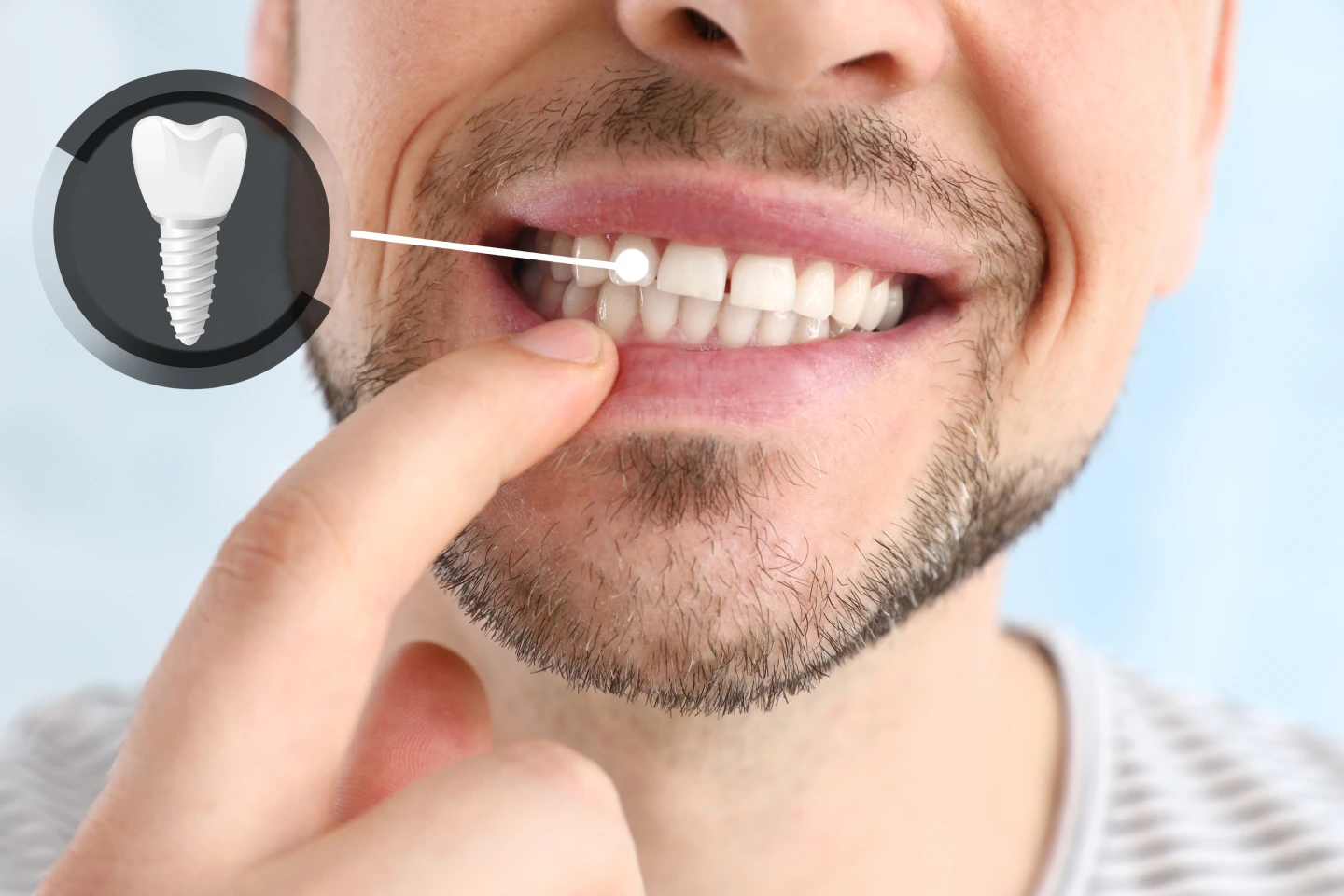
Dental implants have transformed the way people replace missing teeth. They provide strength, stability, and a natural look that closely mimics real teeth. One of the most common questions patients ask at Parkway Smiles Dentistry is how long dental implants last and whether they are as long-lasting as many people say. Understanding the lifespan of an implant helps patients make confident, informed decisions about restoring their smiles.
In this comprehensive guide, Dr. Vishal Sohal explains how long a dental implant lasts, what affects its longevity, and what you can expect over the years.
How Long Do Dental Implants Last?
In general, dental implants can last 25 years or more, and many last a lifetime. When patients ask how long implants last or how long tooth implants last, the answer depends on several factors, such as oral hygiene, bone health, lifestyle habits, and regular dental visits.
Implants are made of biocompatible titanium that integrates with the jawbone. This fusion creates a strong foundation that functions much like a natural tooth root. Because of this structure, implants have one of the highest long-term success rates in dentistry.
If you are researching options and wondering how long dental implants last, or how long a dental implant lasts, you can explore more about dental implants with our team at Parkway Smiles Dentistry.
Do Dental Implants Last Forever?
Although no dental treatment can be guaranteed to last forever, implants come very close. Many patients enjoy their implants for several decades without any problems. The titanium post that anchors the implant is designed for long-term stability and often remains unchanged for the entire life of the patient.
However, the crown attached to the implant experiences normal wear over the years. Most implant crowns last around 10 to 15 years, depending on chewing habits and oral hygiene. When the crown wears out, it can be easily replaced while the implant post stays securely in place.
When patients ask, "Do dental implants last forever?" the most accurate answer is that the implant post can last a lifetime, while the crown may need occasional replacement.
Why Do Implants Last So Long?
Patients often wonder why implants are more durable than bridges or dentures. The secret lies in how they integrate with the body.
1. They fuse with the bone.
The titanium post creates a strong and stable foundation by bonding naturally with the jawbone. This process, called osseointegration, ensures long-term durability that other replacements cannot match.
2. They prevent bone loss.
Missing teeth can lead to the shrinking of the jawbone. Implants stimulate the bone and help preserve its strength.
3. They do not rely on surrounding teeth.
While bridges require reshaping of nearby teeth, implants stand independently and keep natural teeth intact.
4. They offer a strong biting force.
Implants allow you to chew comfortably without slipping or shifting, which protects your jaw and neighbouring teeth.
These advantages explain why so many patients ask how long an implant lasts and choose implants as their preferred long-term solution.
Factors That Affect How Long Your Implants Last
Even though implants are long-lasting, their lifespan can be influenced by several personal and clinical factors.
1. Oral Hygiene Habits
Good brushing and flossing prevent plaque buildup around the implant. Poor hygiene can lead to gum and bone issues that shorten implant life.
2. Regular Dental Visits
Routine checkups help detect early signs of inflammation and protect the tissues around the implant.
3. Gum and Bone Health
Healthy gums and sufficient bone density support long-term success. Patients with gum disease need treatment before implant placement.
4. Lifestyle Choices
Habits such as smoking, excessive alcohol use, or grinding teeth can reduce implant longevity. A night guard may be recommended if you clench or grind your teeth.
5. Quality of Implant Placement
The experience and precision of the dentist strongly influence how long tooth implants last. Dr. Vishal Sohal uses a detailed and careful approach to optimize results and encourage long-term stability.
For those exploring how long dental implants last, these factors play a major role in determining real-world outcomes.
How to Make Your Implants Last Even Longer?
Patients often ask how long implants last when properly cared for. The answer is that great habits can extend the lifespan significantly.
Here are proven steps:
Brush Twice a Day
A soft brush and gentle technique protect the surrounding gums.
Floss Daily
Flossing prevents inflammation around the implant.
Use Protective Appliances
If you grind your teeth, a custom night guard protects the crown and implant post.
Avoid Biting Hard Objects
Chewing on ice or pens or using teeth to open packages can damage the crown.
Keep Up With Dental Visits
Professional cleaning maintains gum health and ensures the implant stays stable.
These steps can help your tooth implants last several decades or more.
Are Implants Worth It Long-Term?
When comparing implants with dentures or bridges, most patients find that implants offer better comfort, stability, and long-term value. Many who choose implants do so because they want a durable solution that feels and functions like natural teeth.
If you want to know how long an implant lasts compared to other options, the answer is simple. Bridges typically last around ten years. Dentures may last five to eight years. Implants, on the other hand, often last decades and sometimes a lifetime, making them a valuable investment in both oral health and quality of life.
Final Thoughts
So, how long do dental implants last? With proper care, most implants last several decades, and the titanium post may last for life. While the crown may require replacement over time, the overall structure offers unmatched durability and comfort.
If you are considering replacing missing teeth and want a long-lasting solution, dental implants at Parkway Smiles Dentistry may be the ideal choice. Dr. Vishal Sohal and our team provide personalized care and detailed planning to support strong, healthy, and beautiful results. Give us a call today!
Contact Us

Practice Hours
Mon: 10:00 a.m. – 6:00 p.m.
Tues: 12:00 p.m – 6:00 p.m
Wed: 10:00 a.m – 6:00 p.m
Thurs: 9:00 a.m – 4:00 p.m
Fri: 10:00 a.m – 6:00 p.m
Sat: 10:00 a.m. – 4:00 p.m.
Sun: Closed

Phone: +12265265544




© 2026 Parkway Smiles Dentistry | All Rights Reserved | Privacy Policy | Digital Marketing by Remedo