
Know When to Consult an Emergency Dentist?
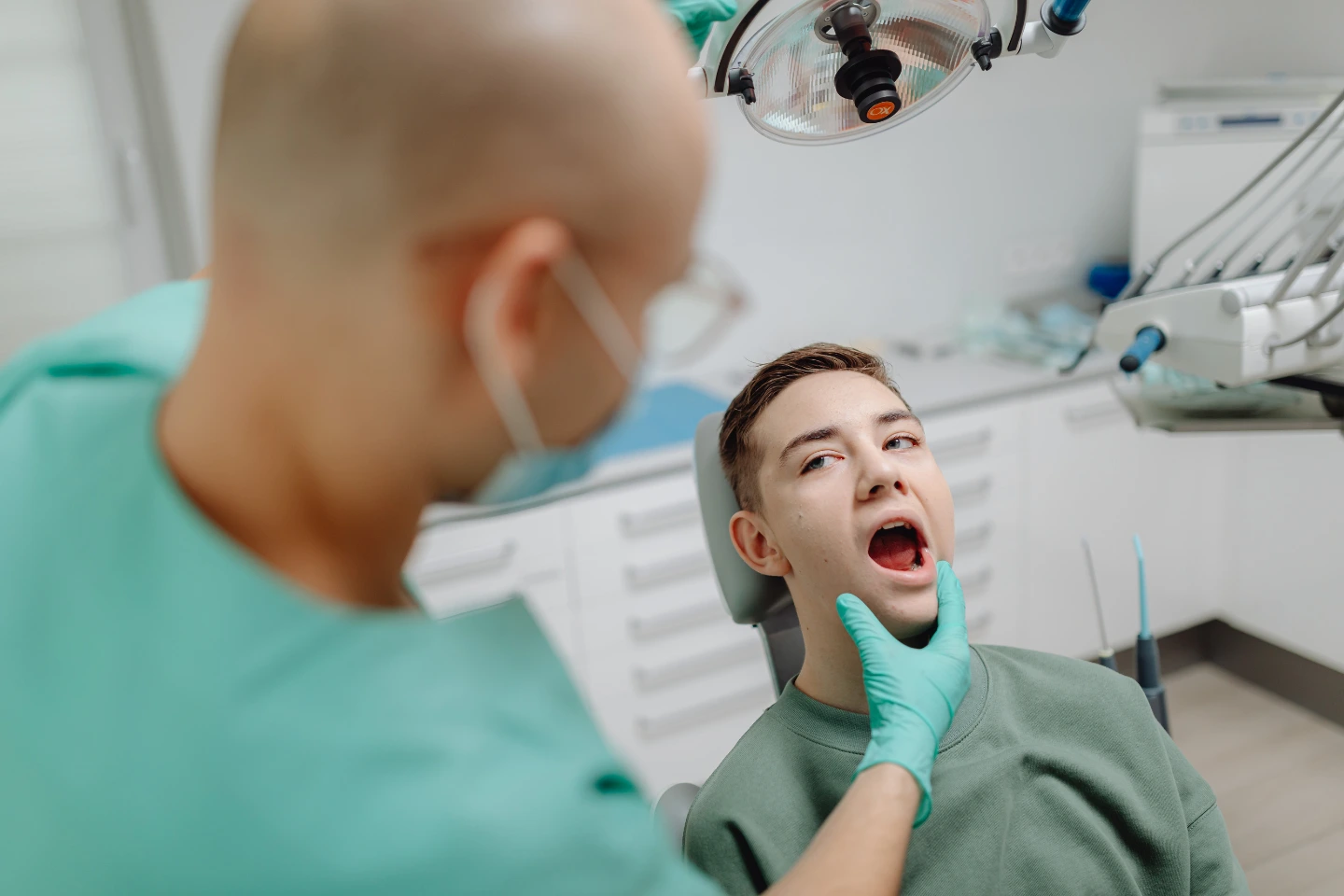
Dental problems do not always happen at a convenient time. A sudden toothache can start late at night, a tooth may crack while eating, or an old filling may fall out just before an important event. In these situations, it can be difficult to know whether you should wait for a regular dental appointment or seek urgent care.
Not every dental problem is an emergency. However, certain symptoms should never be ignored because delaying treatment can allow pain, infection, or damage to become more serious.
At Parkway Smiles Dentistry, we provide emergency dental care for patients who need prompt attention in Windsor, ON. Knowing the warning signs can help you make the right decision when an unexpected dental problem occurs.
What Is Considered a Dental Emergency?
A dental emergency is generally a problem involving the teeth, gums, or mouth that requires prompt professional attention because of severe pain, bleeding, infection, trauma, or the risk of losing a tooth.
Some emergencies are obvious, such as a knocked-out tooth. Others may begin with symptoms that seem manageable but become worse over several hours or days.
If you are unsure whether your situation requires urgent care, it is better to contact a dental professional and explain your symptoms rather than simply waiting for them to disappear.
7 Signs You Should Consult an Emergency Dentist
1. Severe or Persistent Tooth Pain
A mild toothache that comes and goes may not always require emergency treatment. However, severe or persistent pain should not be ignored.
Pain that interferes with sleeping, eating, working, or daily activities may be associated with deep decay, an infection, inflammation, or damage to the tooth.
You should seek urgent dental care if your tooth pain:
- Becomes severe or throbbing
- Gets worse rather than better
- Makes it difficult to sleep
- Hurts when you bite down
- Is accompanied by swelling or fever
Prompt evaluation can help identify the underlying cause and prevent the problem from becoming more complicated.
2. A Tooth Has Been Knocked Out
A knocked-out permanent tooth is a time-sensitive dental emergency. The sooner you receive professional care, the better the chances of managing the injury and protecting your oral health.
If a tooth has been knocked out:
- Pick it up by the crown rather than the root.
- Avoid scrubbing or damaging the root.
- If it is dirty, gently rinse it with clean water.
- Keep the tooth moist while travelling to the dentist.
- Contact an emergency dentist immediately.
Do not wait until the next available routine appointment to have a knocked-out tooth assessed.
3. Your Tooth Is Cracked or Broken
A cracked or broken tooth may expose the inner layers of the tooth to bacteria and irritation. Even if the damage does not initially cause much pain, the fracture can become worse with continued chewing.
Seek urgent care if:
- A large portion of the tooth has broken off
- You experience significant pain
- The tooth has become extremely sensitive
- The fracture occurred because of an injury
- You can see a deep crack in the tooth
Depending on the extent of the damage, treatment may involve a filling, crown, root canal treatment, or extraction.
4. Your Face or Gums Are Swollen
Swelling around a tooth, gum, jaw, or face can be a warning sign of infection. Dental infections can sometimes progress quickly, so swelling should not be dismissed as simple irritation.
Pay particular attention if swelling occurs with:
- Severe tooth pain
- A bad taste in the mouth
- Pus around the tooth
- Fever
- Difficulty opening your mouth
- Increasing facial or jaw swelling
An urgent dental examination can help determine whether an abscess or another infection is responsible.
5. Bleeding Does Not Stop
A small amount of bleeding after brushing or flossing is different from persistent bleeding caused by an injury, extraction, or trauma.
If bleeding continues despite applying gentle pressure with clean gauze, you should seek professional advice promptly.
Heavy bleeding following an injury should also be assessed, particularly if it is accompanied by significant pain or damage to the teeth or soft tissues.
6. A Filling, Crown, or Other Restoration Falls Out
Losing a filling or crown may not always be a medical emergency, but it should not be ignored.
The exposed tooth may become sensitive and more vulnerable to further damage. If the restoration falls out and you experience significant pain, sharp edges, swelling, or difficulty eating, you may need urgent dental care.
Until you can see your dentist, avoid chewing on the affected side and keep the area clean.
Parkway Smiles Dentistry provides restorative and emergency dental services to help address damaged or lost dental restorations. Learn more about our dental services.
7. You Have Experienced a Dental Injury
Accidents involving the mouth can damage teeth even when there is little visible evidence immediately afterwards.
A fall, sports injury, vehicle accident, or blow to the face may result in:
- Loose or displaced teeth
- Cracked teeth
- Soft tissue injuries
- Jaw pain
- Tooth sensitivity
- Bleeding or swelling
If you have experienced significant trauma to your mouth, an examination can help identify damage that may not be obvious when you first look in the mirror.
When Is It Not an Emergency?
Not every dental concern requires same-day treatment.
You may be able to arrange a regular appointment if you have:
- Mild tooth sensitivity
- A small, painless chip
- Minor staining
- A slightly rough filling without pain
- Mild discomfort that is not getting worse
However, a problem that is not an emergency today can potentially become one later. If symptoms change, become painful, or are accompanied by swelling, contact your dentist rather than continuing to wait.
What Should You Do While Waiting for Emergency Dental Care?
If you are dealing with an urgent dental problem, there are a few simple steps that may help protect the affected area until you receive professional care.
For swelling: Apply a cold compress to the outside of your cheek for short periods.
For a broken tooth: Rinse your mouth gently with water and avoid chewing on the affected side.
For a knocked-out tooth: Handle the tooth carefully by the crown and keep it moist while seeking immediate dental care.
For pain: Follow the directions on appropriate over-the-counter pain medication if you can safely take it. Do not place aspirin directly against the tooth or gums.
Most importantly, do not attempt to repair a damaged tooth yourself using household adhesives or other materials.
Can an Emergency Dentist Save the Tooth?
In some situations, prompt treatment can help preserve the natural tooth. The appropriate treatment depends on the cause and severity of the problem.
Emergency treatment may include:
- Repairing a broken or damaged tooth
- Replacing a lost filling or crown
- Treating a dental infection
- Performing root canal treatment
- Managing dental trauma
- Extracting a tooth when it cannot be safely restored
For patients who require more extensive treatment, root canal therapy may be considered when the inner portion of a tooth has become infected or damaged.
The earlier the problem is assessed, the more clearly your dentist can determine which treatment options are appropriate.
What If You Are Unsure Whether It Is an Emergency?
This is one of the most common questions patients have. You do not need to diagnose the problem yourself.
If you have sudden pain, swelling, bleeding, trauma, or a damaged tooth and are unsure what to do, contact a dental office and explain what happened. A dental professional can help determine how quickly you should be seen.
At Parkway Smiles Dentistry, emergency appointments are available for urgent dental concerns in Windsor, ON.
Frequently Asked Questions
Q: How do I know if my toothache is a dental emergency?
A: Severe, persistent, or worsening tooth pain should be assessed promptly, especially if it is accompanied by swelling, fever, sensitivity, or pain when biting.
Q: Should I see an emergency dentist for a chipped tooth?
A: A small, painless chip may not require emergency treatment. However, a large fracture, significant pain, bleeding, or exposed inner tooth structure should be assessed as soon as possible.
Q: Is a knocked-out tooth an emergency?
A: Yes. A knocked-out permanent tooth requires prompt dental attention. Handle it carefully by the crown, keep it moist, and seek professional care immediately.
Q: Is facial swelling from a tooth an emergency?
A: It can be. Facial or gum swelling may indicate an infection or abscess and should be assessed promptly, particularly when accompanied by pain or fever.
Q: What should I do if I am not sure whether my dental problem is urgent?
A: Contact your dentist and explain your symptoms. They can help determine whether you need an emergency appointment or whether a regular visit is appropriate.
Conclusion
Knowing when to consult an emergency dentist can help you respond quickly when an unexpected dental problem occurs. Severe pain, uncontrolled bleeding, facial swelling, knocked-out teeth, significant fractures, and dental injuries should not be ignored.
At Parkway Smiles Dentistry, we provide prompt emergency dental care for patients experiencing urgent dental concerns in Windsor, ON. Whether you are dealing with sudden tooth pain, a damaged tooth, an infection, or a lost restoration, our team can assess the problem and recommend appropriate treatment.
If you are experiencing a dental emergency or are unsure whether your symptoms require urgent attention, contact Parkway Smiles Dentistry to arrange an emergency dental assessment.
Contact Us

Practice Hours
Mon: 10:00 a.m. – 6:00 p.m.
Tues: 12:00 p.m – 6:00 p.m
Wed: 10:00 a.m – 6:00 p.m
Thurs: 9:00 a.m – 4:00 p.m
Fri: 10:00 a.m – 6:00 p.m
Sat: 10:00 a.m. – 4:00 p.m.
Sun: Closed

Phone: +12265265544




© 2026 Parkway Smiles Dentistry | All Rights Reserved | Privacy Policy | Digital Marketing by Remedo