
Crowns and Bridges in Lakeshore: Types, Process & Benefits
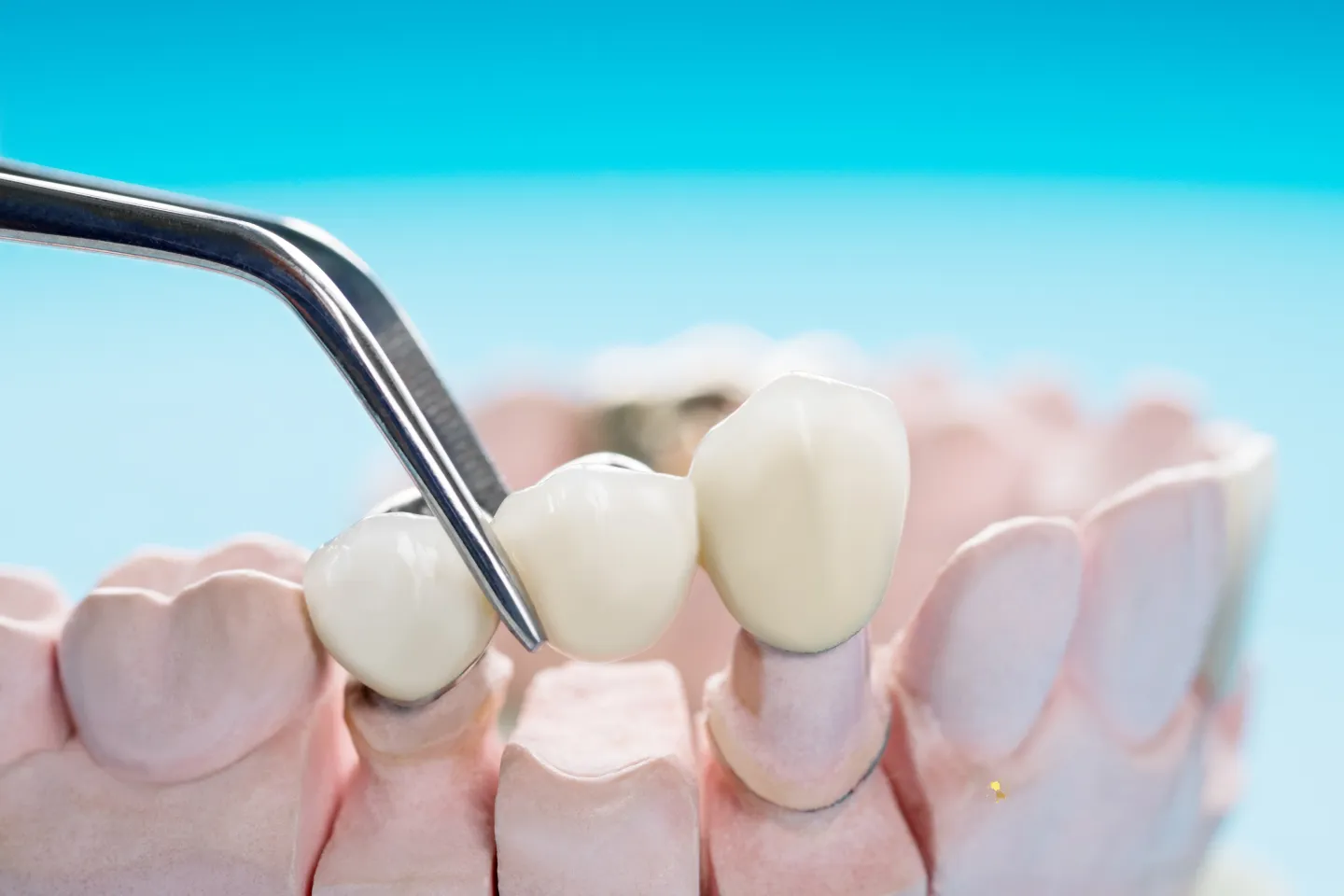
Damaged, weakened, or missing teeth can affect more than just your smile. They may make chewing uncomfortable, affect your speech, and change the way your teeth fit together. Fortunately, restorative dental treatments such as crowns and bridges can help repair damaged teeth and replace missing ones.
If you are looking for dental crowns and bridges in Lakeshore, Parkway Smiles Dentistry offers personalized restorative dental care to help patients improve their oral health and restore the function of their smiles.
Our dental team understands that every patient's needs are different. Whether you have a severely damaged tooth that needs additional protection or a missing tooth that needs replacement, we can assess your condition and discuss suitable treatment options.
What Are Dental Crowns and Bridges?
Dental crowns and bridges are restorative dental treatments used to repair or replace teeth that have been damaged or lost.
Although both treatments help restore your smile, they serve different purposes.
- Dental Crowns: A crown is a tooth-shaped restoration that covers an existing tooth. It helps protect a weakened or damaged tooth, restore its shape, and improve its function.
- Dental Bridges: A bridge is a fixed dental restoration used to replace one or more missing teeth. It typically uses the neighbouring teeth for support, with an artificial tooth filling the gap.
Your dentist will examine your teeth, gums, and bite to determine which restoration may be appropriate for your needs.
When Do You Need a Dental Crown?
A dental crown may be recommended when a tooth is too damaged or weakened to function properly with a regular filling.
Common situations where a dental crown may be needed include:
Severely Decayed Teeth
When tooth decay affects a significant portion of the tooth, a regular filling may not provide sufficient support. A crown can cover the remaining tooth structure and help restore its shape and function.
Cracked or Broken Teeth
A cracked or fractured tooth may become more vulnerable to further damage, particularly when chewing. A dental crown can cover the affected tooth and help protect it from additional stress.
After Root Canal Treatment
Root canal treatment removes infected or damaged pulp from inside a tooth. Depending on how much natural tooth structure remains, a crown may be recommended to provide additional protection and restore chewing function.
Worn-Down Teeth
Teeth can gradually wear down due to grinding, clenching, or other factors. A dental crown may help restore the tooth's shape and improve its function.
Supporting a Dental Implant
Dental crowns can also be attached to dental implants to replace missing teeth. The crown acts as the visible replacement tooth and is designed to restore appearance and chewing function.
When Do You Need a Dental Bridge?
A dental bridge may be an option if you have one or more missing teeth and want a fixed replacement.
Missing teeth can create spaces that affect your ability to chew comfortably. Over time, neighbouring teeth may also shift towards the empty space, potentially affecting your bite.
A dental bridge may be recommended in situations such as:
- One or More Missing Teeth: A bridge can replace one or more consecutive missing teeth, depending on the available support.
- Difficulty Chewing: Missing teeth can make biting and chewing certain foods more difficult. A bridge helps restore the missing chewing surface.
- Changes in Your Smile: A visible gap caused by tooth loss can affect the appearance of your smile. A bridge fills the space with artificial teeth.
- Preventing Nearby Teeth From Shifting: A dental bridge can help maintain the position of neighbouring teeth by filling the gap left by missing teeth.
Your dentist will evaluate the health of your surrounding teeth and gums before recommending a bridge.
Types of Dental Crowns and Bridges
Dental crowns and bridges are available in different materials and designs. The most suitable option depends on the location of the tooth, your bite, aesthetic preferences, and overall oral health.
Types of Dental Crowns
Porcelain Crowns
Porcelain crowns are designed to resemble natural teeth in colour and appearance. They may be suitable for patients who want a natural-looking restoration, particularly for visible teeth.
Ceramic Crowns
Ceramic crowns are tooth-coloured restorations that can provide a natural appearance. They are often considered for restoring front teeth where aesthetics are an important consideration.
Porcelain-Fused-to-Metal Crowns
These crowns combine a metal structure with a porcelain outer layer. They offer structural support along with a tooth-coloured appearance.
Types of Dental Bridges
Traditional Dental Bridges
Traditional bridges use dental crowns placed over neighbouring teeth to support an artificial tooth that fills the missing space.
Cantilever Bridges
A cantilever bridge is supported by a natural tooth on only one side of the missing tooth. It may be considered in specific situations depending on the location and bite forces.
Maryland Bridges
Maryland bridges use a metal or ceramic framework with supporting wings bonded to the backs of neighbouring teeth. They generally require less alteration of the supporting teeth than traditional bridges.
Implant-Supported Bridges
These bridges are supported by dental implants rather than natural teeth. They may be suitable when several teeth are missing and sufficient support is available.
What Is the Process for Getting Dental Crowns and Bridges?
The treatment process depends on the type of restoration you need. However, both crowns and traditional bridges generally involve several steps.
1. Initial Dental Examination
Your dentist will examine your teeth and gums to assess the extent of damage or the space left by missing teeth. Dental X-rays may also be taken to evaluate the supporting structures and determine the most appropriate treatment.
2. Tooth Preparation
For a dental crown, the affected tooth is carefully reshaped to create space for the restoration.
For a traditional dental bridge, the supporting teeth are prepared to accommodate the crowns that will hold the artificial tooth in place.
3. Impressions or Digital Scans
Your dentist will take impressions or digital scans of your teeth. These records help create a restoration that fits your bite and surrounding teeth.
4. Temporary Restoration
Depending on your treatment, a temporary crown or bridge may be placed while your permanent restoration is being prepared.
5. Placement of the Permanent Restoration
Once the permanent crown or bridge is ready, your dentist will check its fit, shape, and bite. Any necessary adjustments will be made before the restoration is secured.
How Long Do Dental Crowns and Bridges Last?
The lifespan of dental crowns and bridges varies depending on the materials used, oral hygiene habits, bite forces, and regular dental care.
Both restorations require proper maintenance to support their longevity.
To care for your crowns and bridges:
- Brush twice daily with fluoride toothpaste.
- Floss daily, paying particular attention to the areas around your restoration.
- Use a floss threader or other recommended cleaning aid to clean underneath a dental bridge.
- Avoid chewing ice and other excessively hard objects.
- Wear a night guard if your dentist recommends one for teeth grinding.
- Attend regular dental examinations and professional cleanings.
If you notice looseness, discomfort, sensitivity, or damage to your restoration, arrange a dental assessment.
Dental Crowns vs. Bridges: Which One Do You Need?
Although crowns and bridges are both used in restorative dentistry, the right treatment depends on whether your natural tooth is damaged or missing.
A dental crown is generally used to restore and protect an existing tooth. A dental bridge, on the other hand, is used to replace one or more missing teeth by filling the gap.
In some cases, other options, such as dental implants, may also be appropriate.
Your dentist will consider the condition of your teeth, the health of your gums, your bite, and your treatment goals before recommending an option.
Why Choose Parkway Smiles Dentistry for Crowns and Bridges in Lakeshore?
Choosing the right dental team is an important part of restoring your smile. At Parkway Smiles Dentistry, we focus on providing personalized dental care based on each patient's oral health needs.
Our approach includes:
- Personalized Treatment Planning: We assess your dental condition and discuss suitable restorative options.
- Focus on Function and Appearance: Our goal is to restore comfortable chewing while considering the natural appearance of your smile.
- Modern Dental Care: We use appropriate dental technology and techniques to support treatment planning and restoration.
- Patient-Centred Approach: We take the time to explain procedures, answer questions, and help you understand your treatment options.
Whether you need to repair a damaged tooth or replace missing teeth, our team is here to help you explore suitable restorative solutions.
Schedule Your Appointment for Dental Crowns and Bridges in Lakeshore
Damaged and missing teeth can affect your ability to eat comfortably, speak clearly, and maintain a healthy smile. Dental crowns and bridges offer restorative solutions that can help address these concerns and improve everyday dental function.
If you are considering crowns and bridges in Lakeshore, Parkway Smiles Dentistry can assess your oral health and help determine which treatment may be right for you.
Contact Parkway Smiles Dentistry today to schedule your consultation and take the next step towards restoring your smile.
Contact Us

Practice Hours
Mon: 10:00 a.m. – 6:00 p.m.
Tues: 12:00 p.m – 6:00 p.m
Wed: 10:00 a.m – 6:00 p.m
Thurs: 9:00 a.m – 4:00 p.m
Fri: 10:00 a.m – 6:00 p.m
Sat: 10:00 a.m. – 4:00 p.m.
Sun: Closed

Phone: +12265265544




© 2026 Parkway Smiles Dentistry | All Rights Reserved | Privacy Policy | Digital Marketing by Remedo